There's an unique sort of mess that follows fence work. It is not just "leftovers." It is a trail of wood splinters, bent cable connections, stubborn metal caps, concrete chunks that look small up until you step on one, and the kind of dirt that holds on to your boots like it made a paycheck.
I have actually enjoyed a couple of fence company staffs turn out like a staff that's going to conquer a frontier, and I have actually watched others treat the clean-up like an optional mission. The difference appears on day two, when the home owner wants the backyard usable again, not just "mostly done." This is where haul-away and cleanup stop being a courtesy and start belonging to the job.
This overview is composed from the point of view of what actually matters after the last blog post goes in, the rails obtain straightened, and eviction swings without scuffing. Think about it as a field handbook for the end of the project, since that's where a lot of the aggravation lives.
The clean-up people don't intend for
Fence installation has a way of extending time. You begin with a strategy, determine two times, and after that reality includes its very own chapters. Dirt is never ever regular from one corner to the next. Rock turns up under the topsoil, and all of a sudden you are digging differently. Weather condition alters the means products act. Also "simple" fixings come to be mini-demolition.
Cleanup, then, is not a solitary activity. It is a chain of decisions, and those choices influence safety, look, and how quickly the house owner can move on.
Here's what often tends to obtain forgotten:
Fence particles typically outlives the visible part of the work. You could see a heap at the end of a driveway, yet you do not see the scattered bolts ground into lawn, or the way reduced ends of cord can capture on a tire weeks later.
Concrete waste and old post remnants are heavier than they look. People think they can simply scoop it right into a bag. After that they lift the wrong thing and understand "bag" was hopeful math.
Old fence elimination is its very own cleanup issue. If your project includes tearing out an existing fencing, you are not just carrying away boards. You may also be handling ingrained blog posts, broken hardware, old braces, and damaged areas that splinter when handled.
And if the residential or commercial property rests near a sidewalk, visual, or storm drainpipe, cleanup becomes public. A missed out on scrap can wind up in a seamless gutter, and that is when the home owner starts to worry about liability. An excellent fence company treats the last clean-up like it is part of the warranty period, not the end-of-day chore.
What "haul-away" really suggests in practice
Haul-away can be vague language in a price quote, which is where disputes obtain birthed. Some groups suggest they haul the huge stuff away and leave the remainder for the home owner. Others indicate the lawn returns to normal, including sweeping and removing all small debris.
In reality, haul-away normally covers:
- Bulk materials eliminated from the site, such as fence panels, rails, articles, and old sections Packaging and offcuts from the brand-new fence install Concrete, dust, or post-base product that can not stay safely on the property Trash and tiny particles, including fasteners, wire scraps, and busted brackets
The gray location is "little debris." Home owners can endure a momentary heap, however they snap when they find a handful of sharp pieces later on. The distinction in between an excellent and fantastic fence company typically shows up in how complete the last pass is, and whether they move the job zone beyond the apparent line.
If you are working with a staff, the best method is to ask what they get rid of and what they leave, especially on projects with elimination of an existing fencing. You do not require them to compose a novel, however you do require clarity.
Safety initially, also after the work looks done
A lawn filled with fencing debris is not just hideous, it is harmful. It is incredible just how quickly a "safe" scrap ends up being a slit threat, or just how a handful of steel little bits ends up being a trouble when a child's bike tire hits the incorrect spot.
During cleaning, the greatest safety and security problems are:
The covert sharp edges. Cut wire ends can poke through a hoodie pocket. Sharp wood offcuts can divide toes. Even a little angle of steel can snag a glove.
The weight circulation in transporting. If debris is packed into bags or a trailer, unequal loading can tip equipment or slow the job so much the team works sloppier, not faster.
Concrete pieces and nails. Those are both the sort of waste that individuals tend to underestimate. Concrete dirt also clings to footwear and obtains tracked indoors if it is not controlled early.
I've seen teams do a great set up and afterwards rush the clean-up since the truck is "currently packed." That is when they miss the edges, eviction location, and the locations where the dirt got churned into a muddy slurry. It is not that they indicated to be negligent. It's that the last press can feel like a victory lap, and triumph laps do not belong in backyards with children, family pets, and a sprinkler system that needs to make it through the day.
Cleanup method depends on fence type
Not every fence leaves the exact same type of mess, and cleanup must adjust. A wood privacy fencing, for example, produces various waste than a chain-link fencing or a metal rail system.
With timber fencings, the debris tends to be lighter however even more splinter-prone. Wire ties, screws, and little offcuts can disappear into turf. Sanding and cutting develop dust that requires cleaning or sweeping. If the homeowner has landscape design, clean-up may also suggest protecting plant beds from stray scraps.
With chain web link, clean-up typically becomes regarding steel and cable control. You can not treat scraps like regular garbage. Cord ends can be sharp and can function their way right into tires and footwear. If the crew is cutting or replacing sections, they need a means to maintain scrap from blowing across the yard.
With plastic or composite products, the mess can feel "cleaner," but it still develops risks. Offcuts can crack. Bolts continue to be. Dust and concrete dirt still track around the property.
With steel or ornamental fencings, the key concern is hardware and surface defense. The cleanup needs to avoid messing up close-by areas, especially if landscape design or pavers are involved.
A fence company that has actually done enough sets up recognizes which threats prevail for that material and plans their clean-up rhythm as necessary. That is why 2 fencing jobs that take the same variety of hours can leave completely various degrees of clean-up job afterward.
The moment you observe what was missed
After a staff leaves, you usually obtain a glance at the yard, see the major lines are done, and really feel happy. After that a couple of points happen that disclose whether clean-up was thorough.

First, the residential or commercial property begins "talking." You step in a place that feels gritty and sharp. You see a loose screw near a walkway. You find a little pile of dust that looks safe until it's disclosed as concrete residue.
Second, family pets and kids do their own assessments. A canine will certainly explore a brand-new item and treat it like a prize. A kid will run the course the fence develops, striking every corner. If there are sharp pieces, they get discovered quickly.
Third, the wind enters into the maintenance. Light particles, like cable offcuts, can move around if it is not safeguarded during cleanup.
That's why the best clean-up is the kind that you can count on the days after. A fence company that sweeps meticulously, clears edges, and removes tiny debris reduces the opportunity of "shock threats" later.
What great communication looks like in between house owner and fence company
Cleanup and haul-away do not just occur at the end. They are developed right into the functioning relationship.
On my ideal projects, the team asked making clear questions prior to they began tearing anything out. They talked about how debris would be managed on the driveway and where haul-away staging would certainly take place. They also inquired about gates, grass, and anything that needed protection, like sprinklers or buried lines.
The tone matters also. When a team states, "We'll look after the haul-away and sweep the job area," you desire follow-through. When a crew adds information like "We remove fasteners and cord scraps, and we sweep along the sidewalk line," you recognize they have actually done enough jobs to appreciate the homeowner's everyday life.
If you're the house owner, you can make this much easier by providing the team a clear path for packing and disposal. If there's a driveway entrance, show them where it is. If there are areas that can not be damaged, point them out early. The more you help them plan, the much less clean-up comes to be uncertainty at the end.
A practical checklist for teardown cleaning and haul-away
If you want to judge whether a cleanup plan is real, below's a concentrated checklist you can use. It's short deliberately because the objective is quality, not a documents marathon.
Confirm what is consisted of in haul-away, including little debris like nails, screws, and wire scraps Ask how concrete or post-base material will be managed, especially on inclines and near landscape design Verify whether the team will move the complete job zone, not simply the noticeable line Determine where debris will be presented for loading so it does not obstruct landscaping or sidewalks Check if there's an after-cleanup walk-through at the end of the day or at conclusionEven if you do not have an official list, having actually these subjects addressed assists stop the classic "but I thought you implied ..." argument.
The compromises: rate versus thoroughness
Cleanup always has a stress. The staff wants to move efficiently. The property owner wants the backyard went back to regular. Those goals can conflict if the task is valued as well firmly or if the extent is not plainly defined.
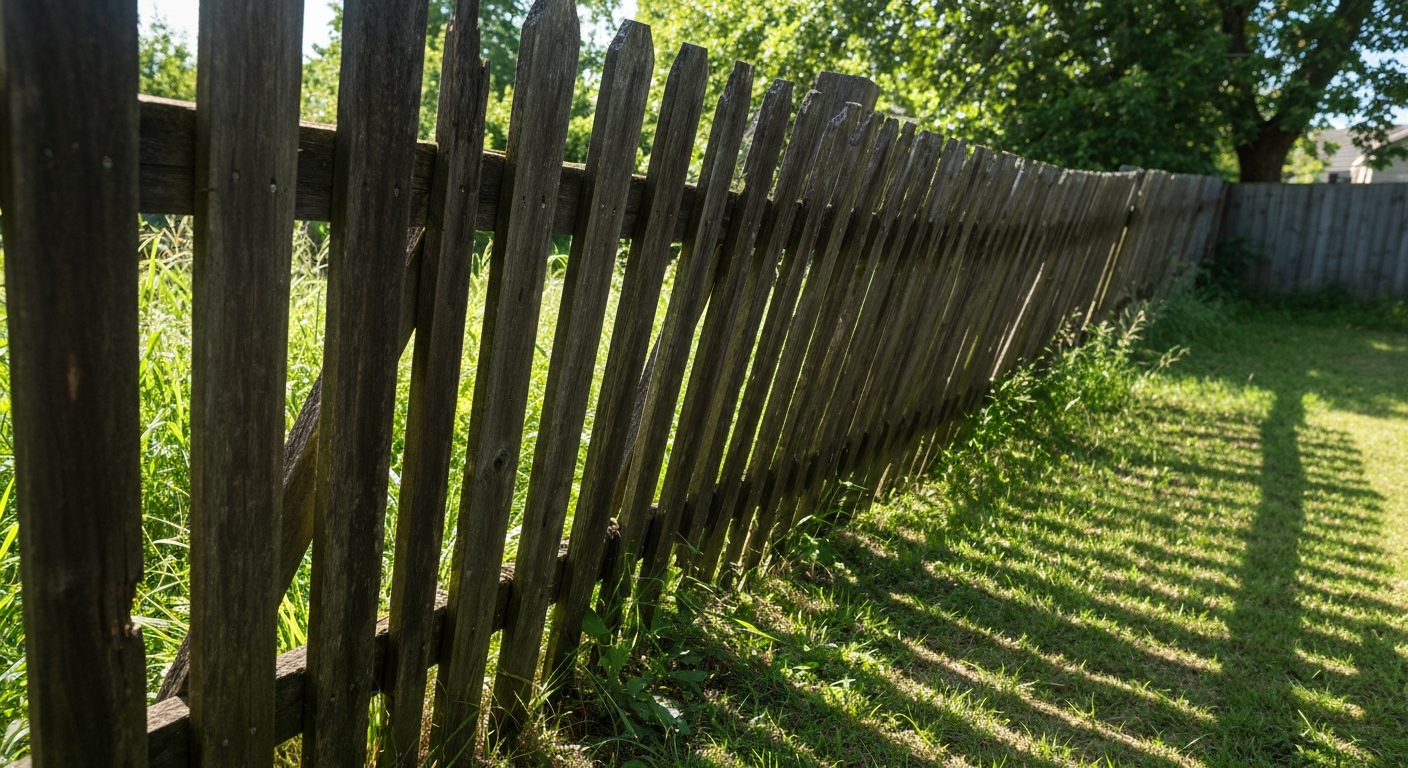
Sometimes, the team can get rid of the large debris quickly, yet then spend extra time sweeping corners and checking for little fasteners. That extra time can seem like "slowing down," however it is really where high quality lives.
Here's another trade-off: tools and staging. If the staff phases particles in one place and intends to sweep later on, it can be efficient. If hosting is messy or spreads particles across the property, clean-up becomes tougher and the possibility of missing out on points increases.
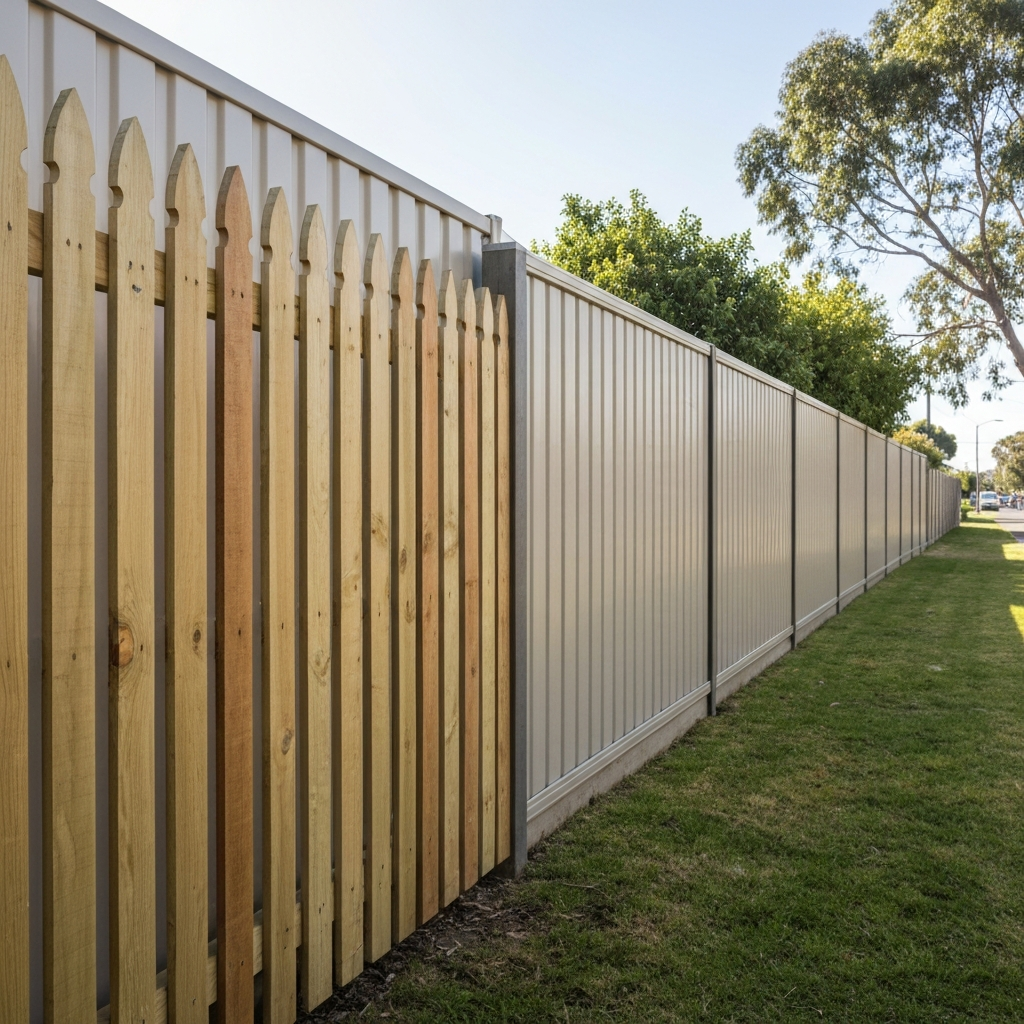
Then there's the climate element. Rain can transform dirt and concrete dirt into a paste that smears throughout grass. Wind can blow light scraps right into beds and under fences. On those days, cleaning is less about rate and even more about containment.
A fence company that prioritizes thoroughness tends to plan around these problems, not simply react. They shield the lawn where feasible, maintain scrap had, and do a last sweep that reflects the truths of the day's mess.
Edge cases that transform the cleanup game
There are tasks where basic clean-up is not enough. These are the situations that make skilled staffs gain their reputation.
Sloped lawns and uneven ground produce cleaning blind spots. Debris can roll or slide into lower areas where you do not see it right away. When you sweep the top, you could miss out on the bottom.
Dense landscape design beds can trap particles. Mulch conceals screws and wire scraps, and it takes a careful hand to eliminate them without destroying the bed.
If there's a gravel border or walkway, particles assimilate. Concrete chips, wood fragments, and metal little bits can blend into the texture. A hurried move looks good from a distance yet stops working on the next step.
If you have pet dogs, the clean-up needs to make up just how pets behave. Pet dogs like to examine new things. Any scrap that can be ingested or could pierce a paw requires added attention.
If there are buried watering lines or lawn sprinkler heads, the staff should avoid dragging debris throughout turf. Cleaning devices, like rakes and brooms, can harm systems if used carelessly.
In these edge cases, a Additional reading fence company that has done comparable residential properties before will certainly adjust. They might spend much longer on the border line, concentrate on concealed corners, or adjustment staging paths to prevent squashing landscaping.
What to do the day after, when you desire peace of mind
Even with outstanding clean-up, it can help to do a short evaluation the next day. Not since the staff stopped working, but due to the fact that physics constantly discovers a way to leave a couple of loosened ends.
Here's what a fast follow-up can capture:
Loose fasteners or cable items that were also tiny to discover throughout the initial sweep
A bit of concrete dust tracked onto a walkway A corner where particles obtained brushed up right into a shrub bed instead of removed A gateway area where scrap collected along the course of foot web trafficI recommend walking the line slowly, wearing footwear with thick soles. If you have children or family pets, it's additionally a good time to maintain them off the location up until you validate it's safe.
This is likewise a minute to interact with the fence company if you locate something. A solid staff wishes to repair troubles quick, not say concerning blame. If cleaning is done right, the "solution" checklist need to be small.
How to discuss cleaning and haul-away in your estimate
If you are getting quotes, ask questions that require clarity without transforming the discussion adversarial.
You can claim, "Just what does haul-away consist of, and will you sweep the work area?" That wording welcomes a concrete answer. If the estimator provides an obscure action, that's a signal to get more detail.
Also think about the range: elimination versus install-only. A project that includes removing an old fencing can increase cleanup time drastically. The property owner commonly ignores this component, since removal does not look as labor-heavy as new develop job, up until you see how embedded blog posts and old equipment behave.
If a fence company bills separately for debris removal, ask just how they compute it. Some staffs manage it by volume or by the quantity of waste. Others include a baseline haul-away and readjust based upon what shocks the crew experiences throughout demolition. If you understand what drives price, you can stay clear of the sticker-shock that often tends to occur after the fact.
The actual objective: a lawn that feels untouched
The ideal praise I ever before listened to after a fence work had not been concerning how straight the rails were, or how tidy the edges looked. It was something like, "The yard feels normal again."
That sensation comes from cleanup decisions that appear dull until you live with the outcome.
A staff that cleans the boundary without tearing up landscaping.
A crew that removes fasteners so you do not discover them later. A crew that maintains debris included so it does not spread throughout the property. A crew that completed with a move that matches what you would expect from a mindful property manager, not a hurried contractor.Fence company job is sensible and noticeable, but cleanup is psychological. It's where the homeowner determines whether they can rely on the procedure. It's where youngsters can play without scanning for sharp edges. It's where animals can roam without an abrupt stop triggered by a concealed nail.
Make completion of the task as deliberate as the build
The excitement of a brand-new fencing is actual. There's something pleasing about a solid line, the method it frameworks a lawn and makes the room feel intentional. But the task is not absolutely ended up when the last article is established. It's completed when the yard is risk-free, tidy, and ready to live in.
Cleanup and haul-away are the final examination of professionalism. They are additionally the part where great staffs make repeat job, referrals, and long-term reputation.
If you want a daring project experience, request the complete task, not simply the set up products. Ensure your fence company strategy includes the unpleasant parts as well, the ones that only matter when every person's worn out and the truck retreats. When those information are managed, the backyard go back to typical, and the fencing becomes what it was suggested to be, a limit you can guarantee without thinking about what's under your feet.